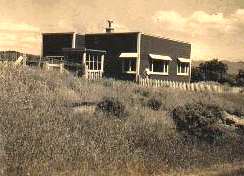
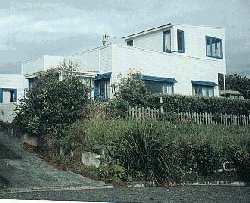
The house was designed by our Grandmother - Anna Ginn.
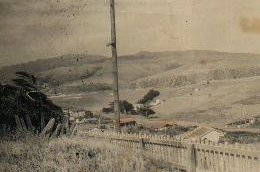
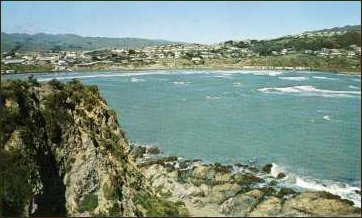
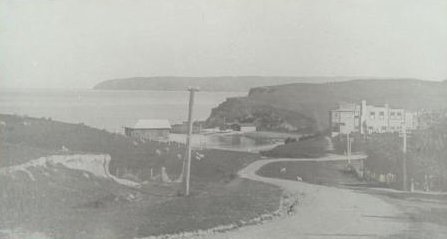
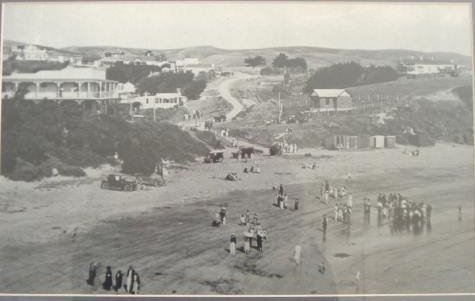
Photographs taken: Early 1940's
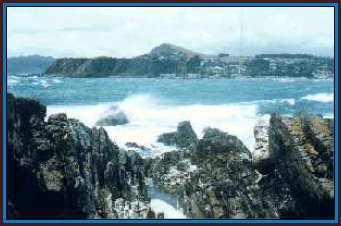
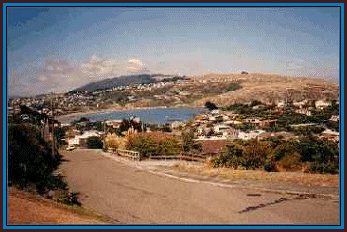
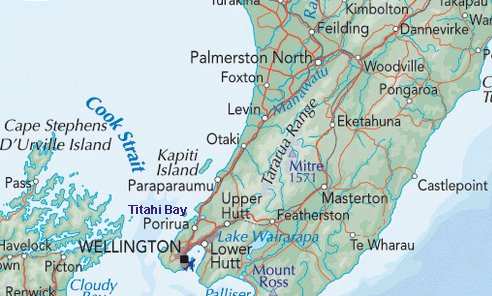
Titahi Bay in 1950
A friendly village, noted for its hotel where the whalers of yesteryear took refuge. The cake shop (Rickards) the small but select boating club, the beautiful macrocarpa trees which lined the beach, the milkman, the nice people, and of course the gossipers who met at the local hairdresser's shop.
It was a 'villagy' town - no great housing had taken place, and there were not many people interested in the arts. It was mostly crayfishing, golfing or bridge - with television to come. The Bay was a quiet isolated resort with poor roads and few facilities.
Top of Page
|
|
Rangi Marie
The House as it was in 1995.
|
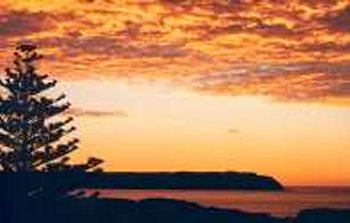
Mana Island
View of the sunset over the island.
|
Mana Island
Mana Island lies some 2.5 kilometres off the coast and covers an area roughly 2.5 kilometres by 1.2 kilometres. It is the most prominent physical feature associated with Titahi Bay. Legend has it that Te Awarua o Porirua, the taniwha who lives in Porirua harbour, caused Mana Island's distinctive shape. Mana Island is one of the oldest and best examples of a marine terrace in the Wellington area. The flat appearance of the island is due to its cliffs that are between 75 to 120 metres above the sea level.
|
|